AcroDance
Strength, Flexibility, Artistry
AcroDance (Acrobatic Dance)
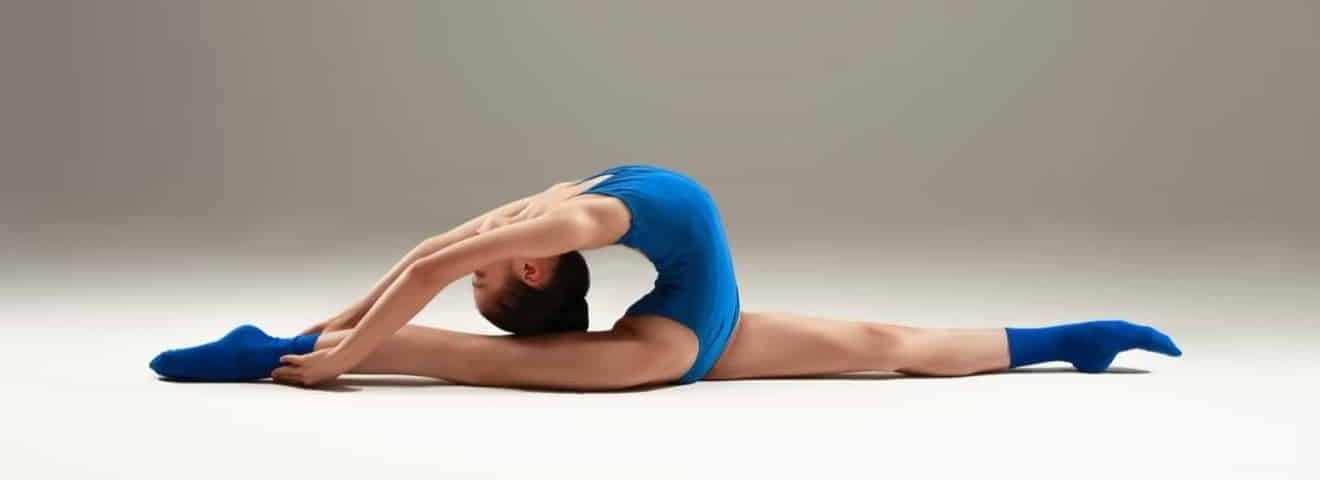
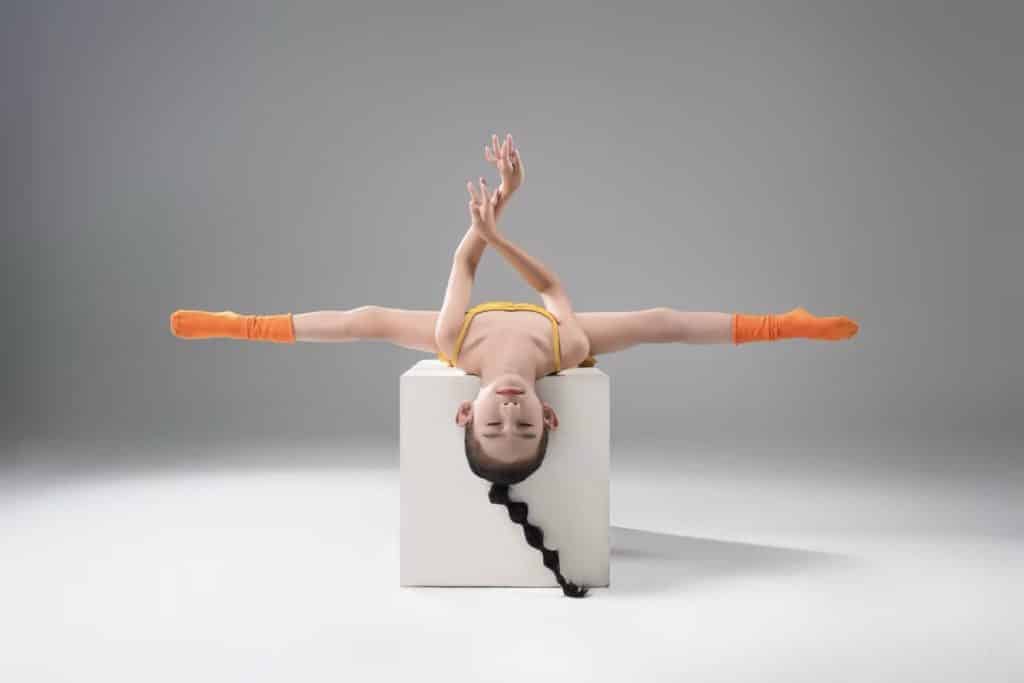
AcroDance, also known as Acrobatic Dance, is a dynamic discipline that combines the artistry and musicality of dance with progressive acrobatic training. Our program develops dancers through a structured approach to flexibility, strength, balance, body control, limbering, tumbling, and acrobatic transitions. Rather than focusing only on individual tricks, AcroDance emphasizes strong technical foundations and progressive skill development. Students learn how to safely connect acrobatic movements with dance choreography, creating greater strength, control, confidence, and versatility as dancers. Our training is designed to support each student’s individual development while building the technical foundation needed for continued progression into more advanced AcroDance skills.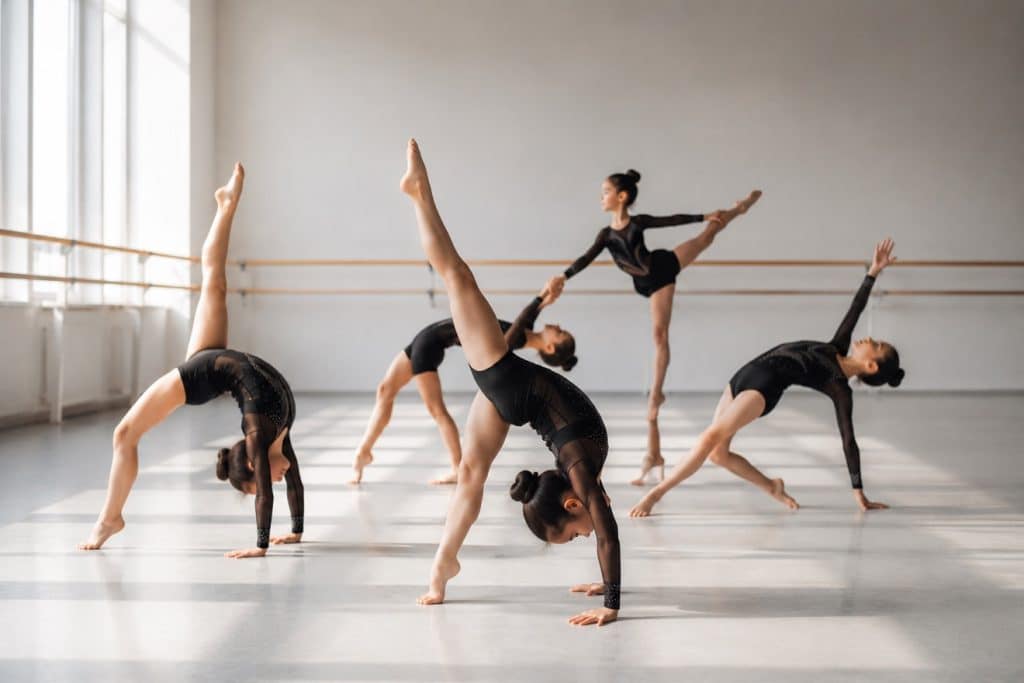
What Students Learn
AcroDance training covers a broad range of physical and technical skills, including:- Flexibility, limbering, and active range of motion
- Core and upper-body strength
- Balance and body control
- Tumbling foundations: handstands, cartwheels, bridges, and walkovers
- Acrobatic transitions, combinations, and dance-based choreography
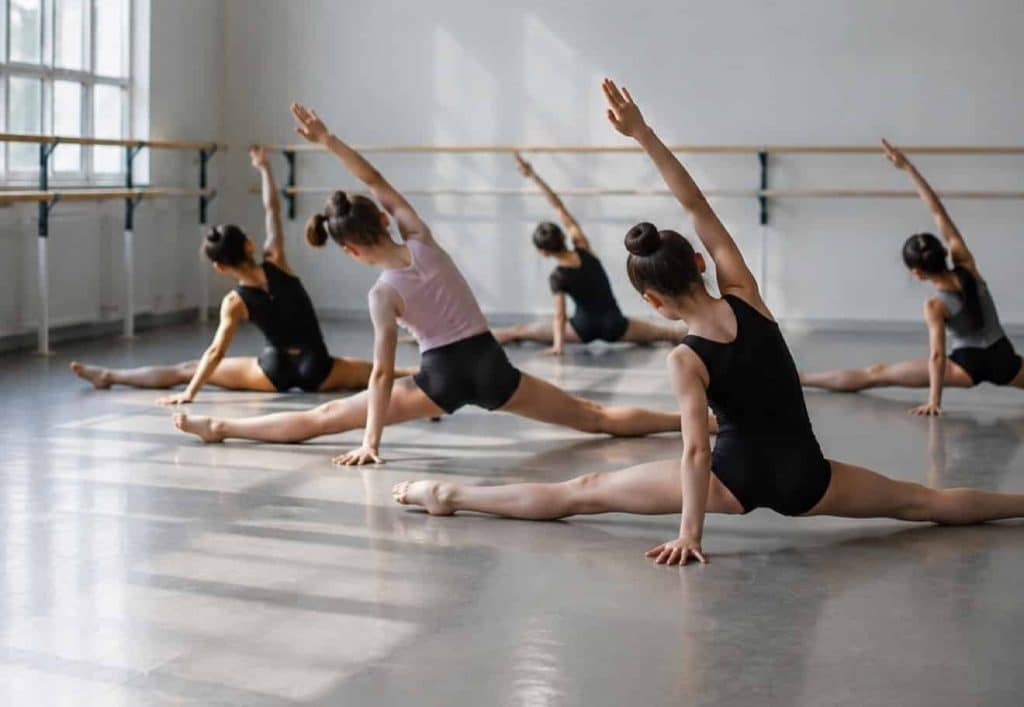
Ages 7–10 | Foundations & Skill Development
For dancers ages 7–10, the program builds strong AcroDance fundamentals — flexibility, strength, balance, coordination, tumbling, and body control — while developing physical awareness and confidence. Students learn bridges, handstands, cartwheels, and other introductory skills with correct alignment and technique, progressing safely toward more advanced AcroDance skills with precision, consistency, and control.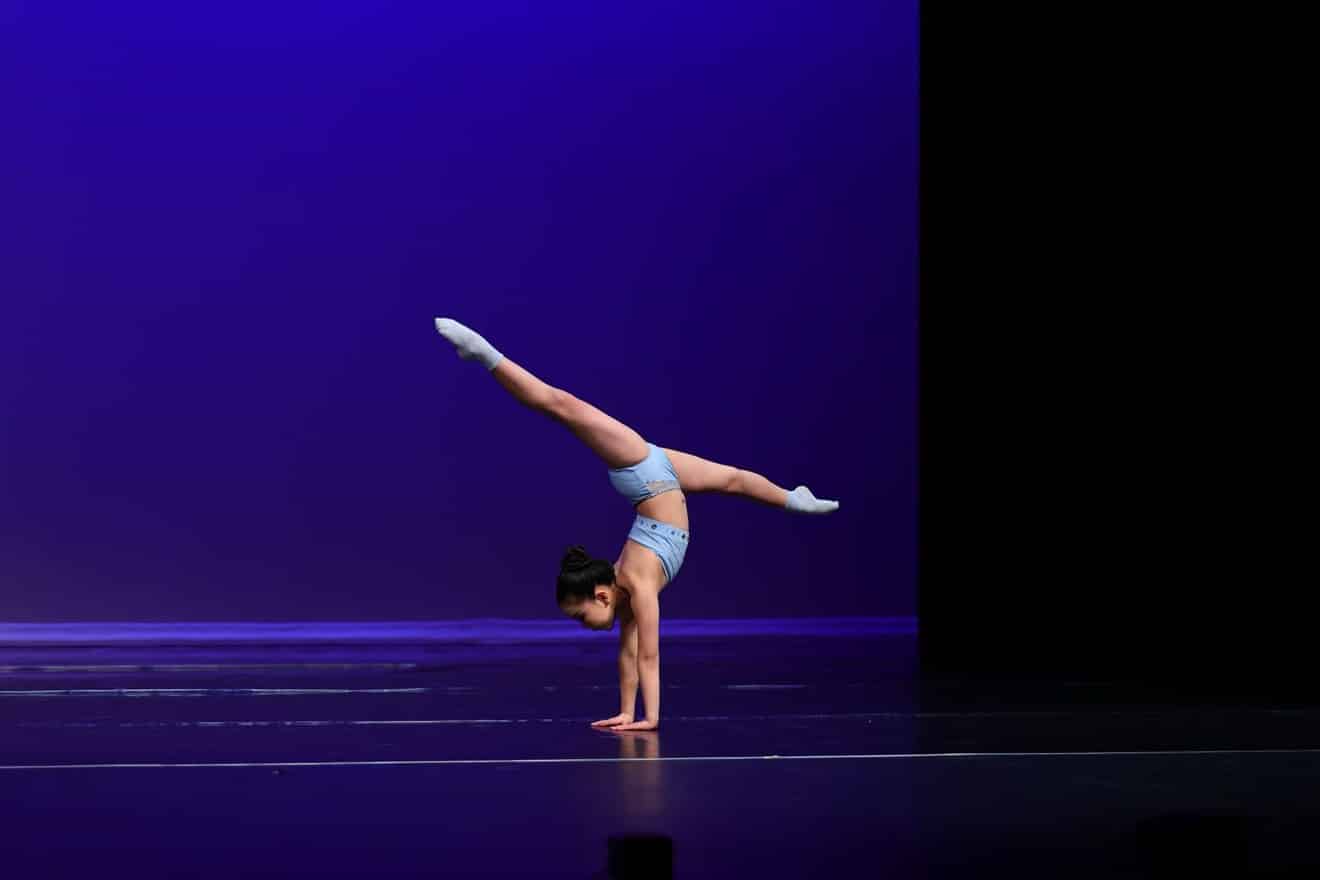
Ages 10+ | Intermediate AcroDance
As dancers build on their foundations, training focuses on strength, flexibility, control, and more complex acrobatic progressions — chest stands, forearm balances, walkovers, flying cartwheels, and other progressive tumbling and balance elements matched to each dancer’s level and readiness. Training also emphasizes linking skills through transitions and choreography, incorporating acrobatic elements into dance combinations with clean technique, musicality, and performance quality.Advanced & Pre-Professional AcroDance
Advanced AcroDance training is for students with a strong foundation in flexibility, strength, balance, and tumbling who are ready for higher-level skills — advanced balancing, aerial and tumbling progressions, demanding flexibility and strength work, and complex combinations performed with consistency, precision, and control. Dancers combine advanced acrobatic skills with choreography and expressive movement, progressing by individual ability and readiness, with safety and proper progression always central.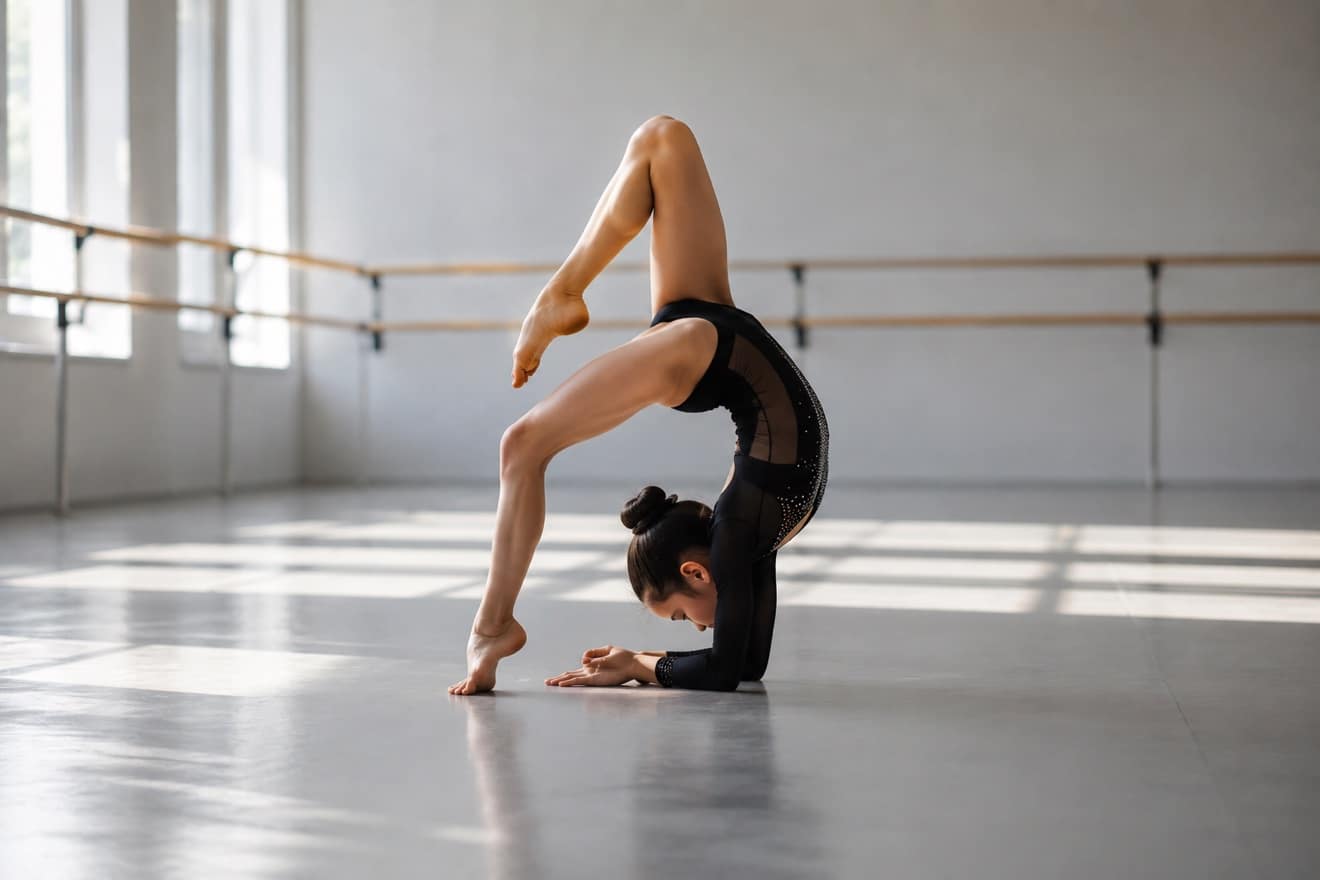
Structured Level System
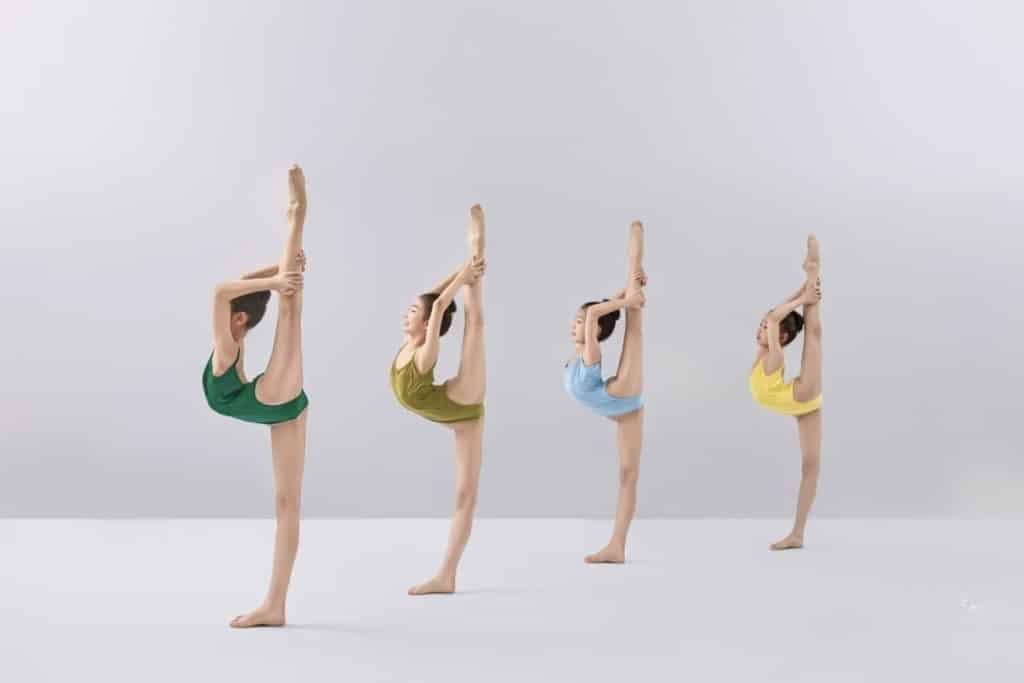
Our AcroDance training follows a structured progression designed to help dancers develop their skills systematically over time. The Acrobatic Arts syllabus is organized into progressive levels, beginning with Primary and continuing through Level 12, followed by Pre-Professional Levels. Each level builds upon previously developed skills and introduces new requirements in areas such as flexibility, strength, balance, limbering, tumbling, and acrobatic transitions. Students progress based on their individual technical development rather than age alone. Placement may take into consideration a dancer’s previous training, physical readiness, flexibility, strength, coordination, and ability to perform foundational skills safely and consistently. This structured approach gives students clear goals and a long-term pathway for continued technical development.Benefits of AcroDance Training
AcroDance provides dancers with valuable physical, technical, and performance skills that can complement a wide range of dance disciplines. Strength & Conditioning: Builds strength, endurance, and conditioning. Flexibility & Mobility: Greater range of motion, awareness, and control. Balance & Coordination: Better balance, coordination, and spatial awareness. Confidence & Discipline: Patience, perseverance, and confidence through progressive goals. Dance Versatility: Complements ballet, jazz, contemporary, and more. Performance Skills: Connects acro skills with choreography and musicality.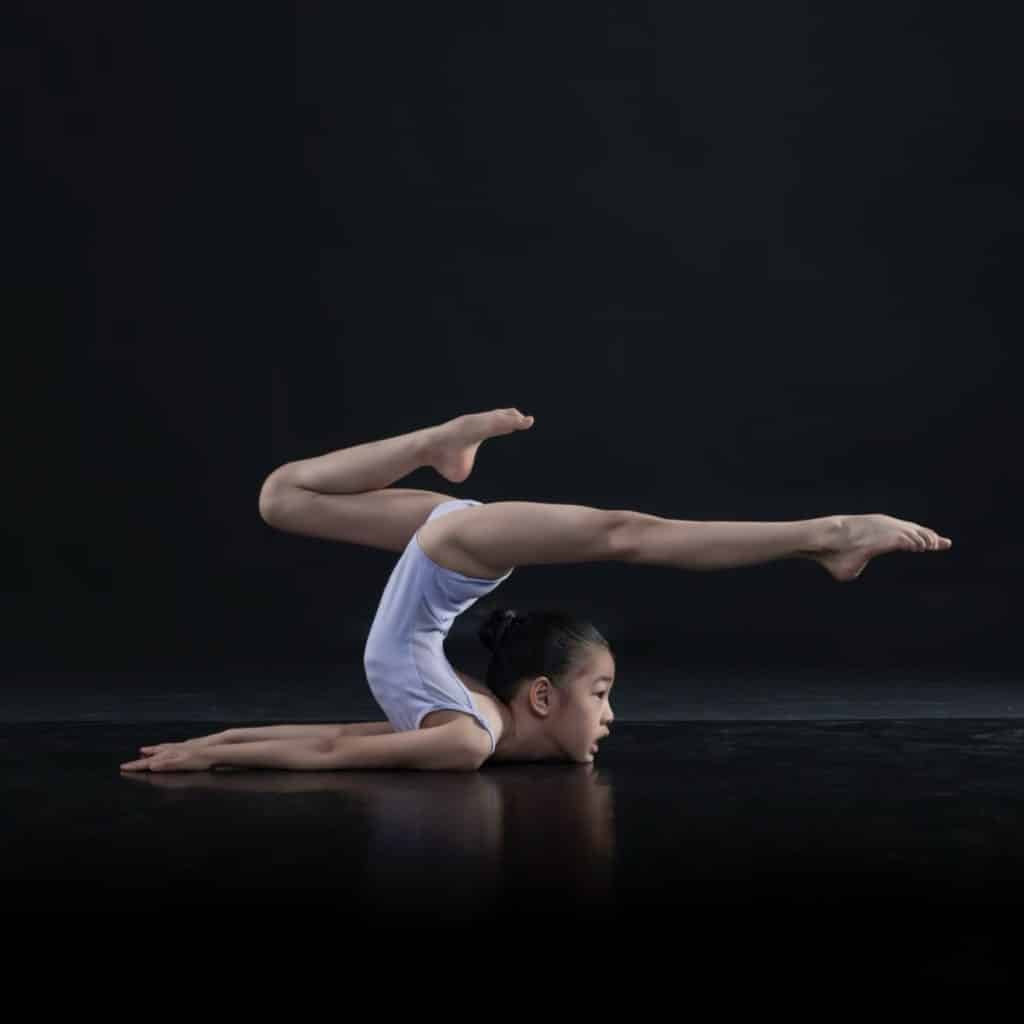
Progressive & Safe Training
AcroDance requires a thoughtful and progressive approach to skill development. Our training emphasizes correct technique, appropriate progressions, strength, flexibility, body control, and safe preparation before students move on to more advanced skills. Students are not expected to perform advanced skills before they have developed the necessary physical and technical foundations. Skills are introduced according to individual readiness, with appropriate preparation and progression. Our goal is to help dancers develop strong, capable, and confident bodies while maintaining a positive and supportive learning environment.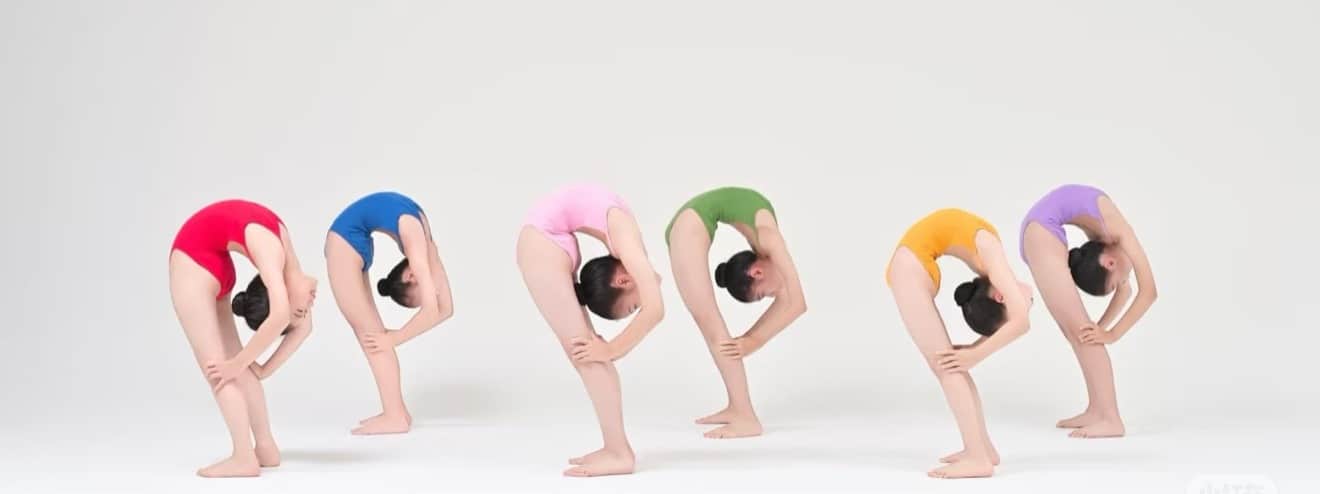
Ready to dance?
New Here? Try
A Trial Class.